
A familiar meal sometimes needs a little extra flavour, but an enthusiastic squeeze of chilli sauce can quickly dominate it. Using sriracha hot sauce well starts with deciding what the dish needs and how much heat the people eating it enjoy. Small adjustments give you more control than adding a large amount and trying to correct the balance afterwards.
Taste the sauce before adding other seasoning
Chilli sauces can contribute sweetness, acidity and salt as well as heat. Taste a small amount with a plain piece of cooked food to understand the bottle you are using, then consider what is already in the meal. A dish seasoned with soy sauce, for example, may need less additional salt once a chilli sauce is added.
When making a dressing, combine the main ingredients before adjusting them further. Adding lime, sugar and salt automatically can push the flavour in several directions at once. Taste between changes so you can tell whether the mixture needs more sharpness, a little sweetness or simply a smaller proportion of hot sauce.
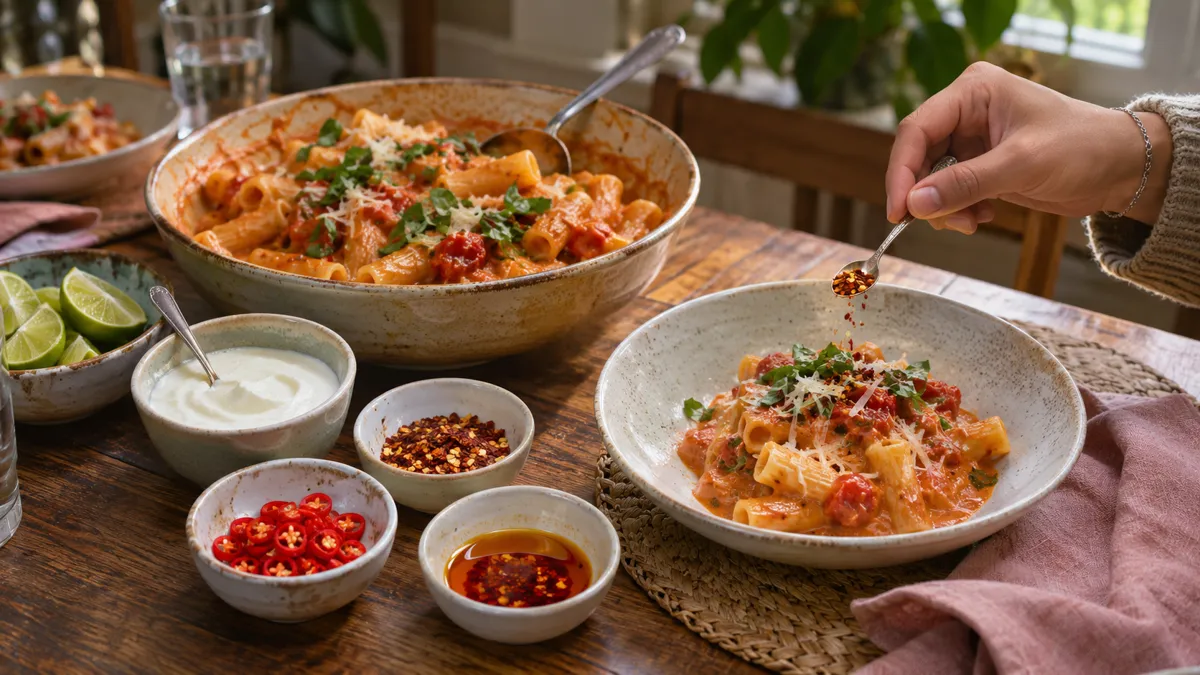
If you are cooking for people with different preferences, keep the main dish mild and offer the sauce separately. This works particularly well with bowls of rice, cooked vegetables and a protein of your choice, where each person can season their own portion. It also lets you try the sauce with different components before committing it to the whole meal.
Match the consistency to the way you serve it
A dip needs to cling to food, while a dressing needs to spread through it. For a simple creamy dip, try mixing one teaspoon of sriracha into two tablespoons of mayonnaise as a starting point, then taste and adjust. The ratio is a suggestion rather than a fixed measure of heat because sauces and personal preferences vary.
For a drizzle over cooked noodles or vegetables, loosen a small portion with a little water or a suitable liquid from the dish. Add it gradually so the sauce coats the food without collecting at the bottom of the bowl. Mixing in a separate cup first makes it easier to judge the consistency and avoids thinning the entire meal unnecessarily.
Choose when the heat enters the dish
Adding sauce near the end of cooking makes it easier to taste the finished combination. With a stir-fry, for instance, combine a small amount with the other sauce ingredients before tossing it through the cooked food. You can then decide whether it needs more instead of pouring directly from the bottle into a hot pan.
If a dip becomes too hot, increase the plain base in small amounts and taste again. For a meal, reserving some unseasoned ingredients gives you a similar way to adjust a portion. Adding more sugar or lime may change the flavour, but it does not remove the extra sauce you have already used.
Check labels and store mixed sauces appropriately
Read the ingredient and allergen information on the actual bottle, particularly when serving someone with a dietary requirement. Products with similar names can have different recipes. The same check applies to mayonnaise, yoghurt or other ingredients added to a dip, since the finished mixture needs to suit the person eating it.
Follow the bottle’s storage instructions after opening, and keep perishable foods properly chilled once the sauce is mixed into ingredients such as yoghurt. Prepare only as much as you need, use clean utensils and keep the rest of the mixture covered in the fridge until serving.
The useful habit is to taste, adjust and stop when the sauce supports the meal. Choosing a suitable consistency and adding heat in stages leaves room for the other ingredients to come through. With that approach, one bottle can serve several purposes without making every dinner taste the same.