
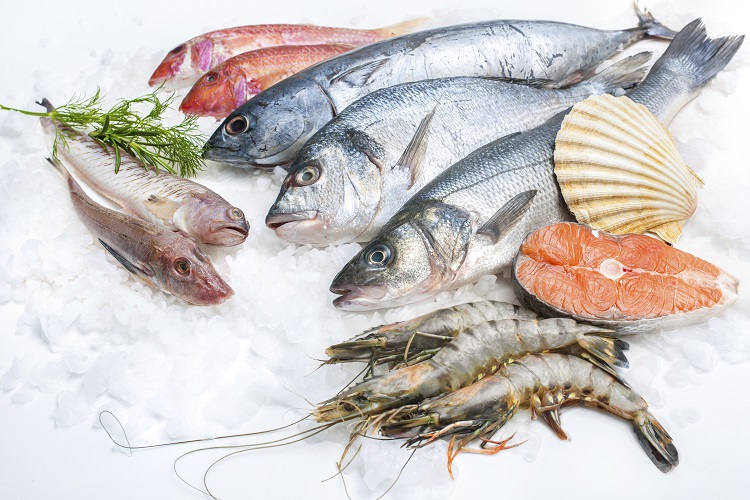
Fish processing is a central aspect of the seafood industry, serving as the link between the catch at sea and fresh products reaching consumers. In the past decade, the adoption of onboard processing solutions has dramatically shifted how seafood is handled, processed, and packaged while at sea. Rather than waiting for vessels to return to port, these advanced systems allow for immediate processing, which provides multiple advantages in terms of freshness, product quality, and the efficiency of commercial fishing operations.
Modern fishing vessels are now equipped with integrated systems that address the rigorous standards of today’s seafood market. These systems utilize automation and ergonomic design to accommodate large volumes, making the workflow more efficient and safer for crew members. Custom planning and design are essential, ensuring that each vessel is equipped with solutions that meet its unique needs and operational constraints. As a result, every step from sorting and cleaning to packaging and by-product management can be addressed right on the vessel, reducing waste and increasing product yield.
Improving processing capacity with onboard seafood systems
Onboard seafood processing offers substantial benefits by enabling all stages of handling, processing, and packaging to take place at sea. This capability supports a faster turnaround, with fish and shellfish reaching shore in a fresher state and often in final or near-final packaging. This reduction in transit and processing time helps maintain the quality of seafood and boosts profits for operators.
These processing systems are typically designed specifically for each vessel and adapted to the most common catch types. Operators are supported through solutions that boost comfort and ease of operation, enhancing both safety and productivity at sea. Automation within these setups streamlines repetitive tasks such as sorting, cleaning, filleting, and packaging, ensuring efficiency is maximized and product quality remains controlled.
Workers benefit from a safer environment as automated systems take over labor-intensive or potentially dangerous tasks. Fewer manual interventions help minimize the chance of injury while also enhancing consistency in the end products. The process of integrating such equipment is usually preceded by careful analysis—consultants assess the layout of a vessel, the type of catch, and the scale of operation to recommend and configure solutions that are most compatible with an operator’s needs.
Ergonomic and automated solutions for safer, faster processing
The combination of ergonomic design and automation is now widely adopted aboard processing vessels, helping to deliver swift, steady, and safe seafood preparation. Equipment is engineered to reduce unnecessary motion and encourage healthy postures among the crew, significantly cutting down on fatigue from demanding physical tasks.
Ergonomic workstations—even in confined spaces—ensure that lifting, reaching, and handling are kept within optimal ranges, thereby supporting worker well-being. Automated tools, such as precision filleting machines and sorting conveyors, maintain consistent speed and accuracy. These improvements not only increase output but also refine the overall quality, reducing variability between batches and promoting a dependable supply to consumers.
Safety is improved by minimizing direct contact with sharp tools or heavy materials, reducing the potential for accidents. As more stages of seafood processing become automated, fishing crews are able to concentrate on quality control, further ensuring that every product meets the required standards for freshness and appearance. This combination of improved workflow and heightened protections reflects the evolution of commercial fishing toward a more effective and worker-conscious industry.
Custom solutions and consultation for onboard fish processing
Custom solutions and specialized consultation are essential for efficient onboard seafood processing. Successful fish processing depends heavily on matching each system to a vessel’s design, targeted fish species, and the operator’s workflow preferences. The goal is a harmonious fit, both physically and functionally, to ensure smooth and consistent operations at sea.
Tailored equipment integration for successful onboard processing
Experts in equipment integration provide the expertise needed to ensure all machinery, from conveyors to packaging systems, fits within the unique parameters of each vessel. Every installation is meticulously designed to optimize workflow, making full use of limited deck space. The planning phase considers not only safety and space but also logical sequencing to maintain a high throughput with minimal handling.
This attention to detail enables seamless automation, lowers the potential for production bottlenecks, and ensures that seafood quality is preserved from catch to packaging. When every stage is well integrated, crews can work efficiently, and the risk of product loss or quality deterioration is greatly reduced.
Effective strategies for managing by-products
Effective by-product management is a vital aspect of onboard seafood processing. With the right systems in place, less desirable portions of the catch can be repurposed into secondary products—such as fish meal, oils, or other commodities—which helps create additional streams of revenue rather than contributing to waste.
Environmental considerations also play a role, with innovative solutions designed to minimize the ecological impact of fish processing activities. By converting by-products into useful resources and reducing overall waste, operators can meet sustainability expectations while maintaining profitability. These strategies, supported by expert advice and advanced machinery, make responsible resource management at sea a practical and beneficial reality.
By focusing on tailored solutions, ergonomic advancements, and strategic consultation, fishing operations can realize the potential of onboard seafood processing, delivering high-standard seafood to markets in a sustainable and safe manner..